
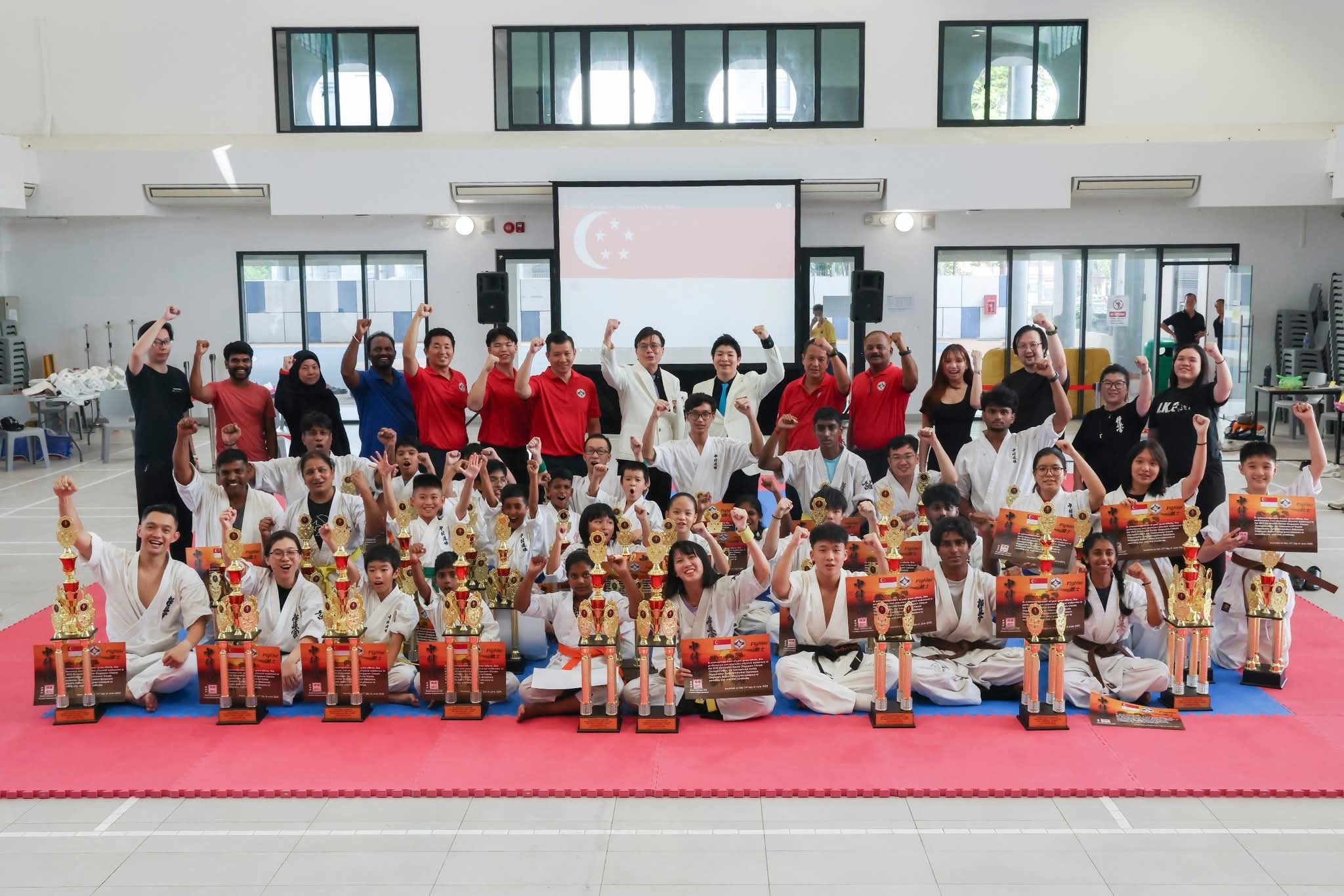
Empowerments
through karate.
Kyokushin is more than physical training. Inside the dojo, four empowerments are forged, self discipline, humility, defence, and confidence, and carried with you for life.
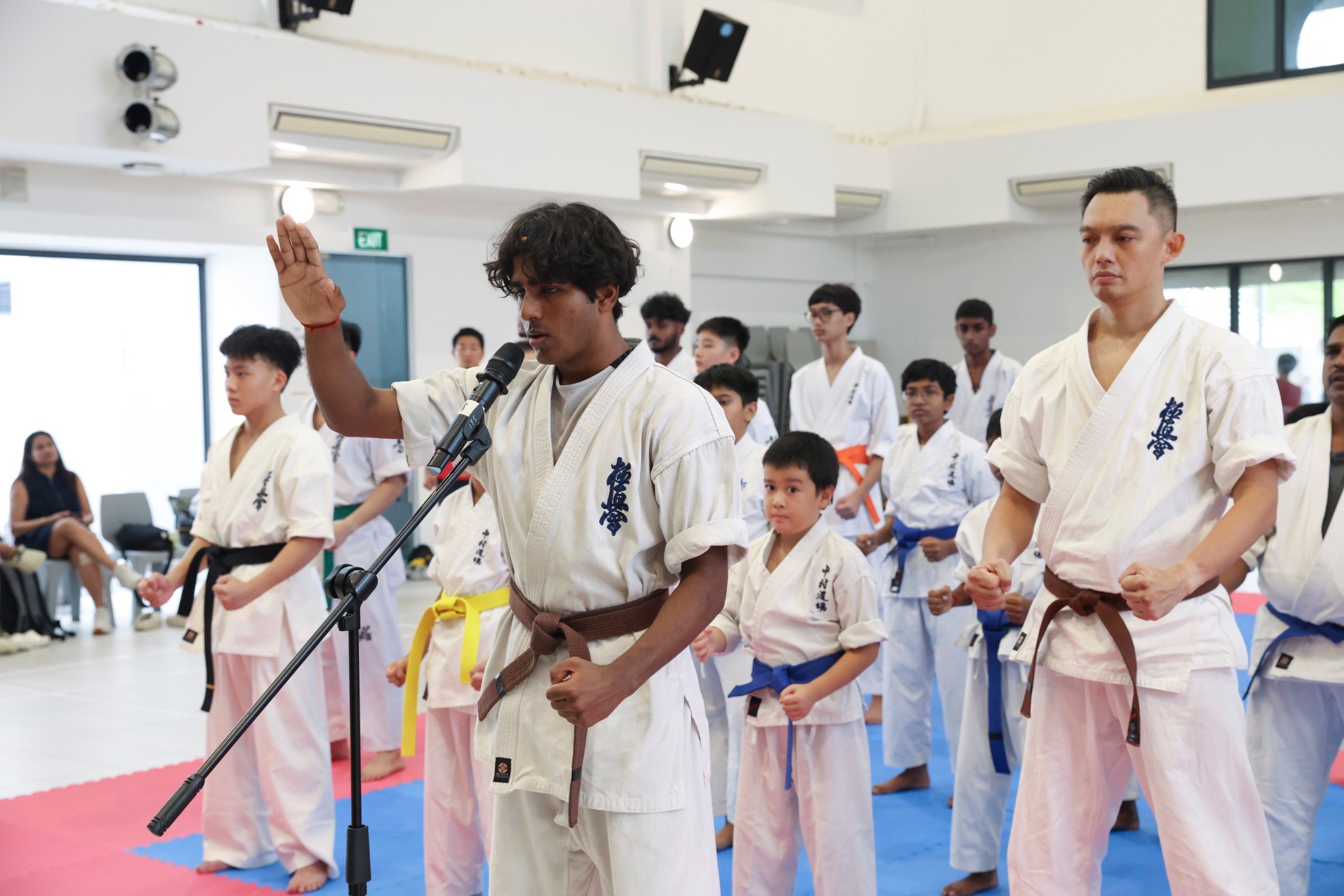
Self Discipline
Karate is a martial art that requires a great deal of self-discipline and focus. Here are some ways that practising karate can help cultivate self-discipline.
- 01
Repetition
Karate training involves repeating techniques and movements over and over again until they become second nature. This repetition helps to develop discipline and focus as it requires you to pay attention to your movements and execute them with precision.
- 02
Physical and Mental Fitness
Karate training requires both physical and mental fitness. By pushing yourself physically through training, you can develop the discipline needed to overcome obstacles and challenges. And by training your mind to stay focused and calm, you can develop mental discipline and strength.
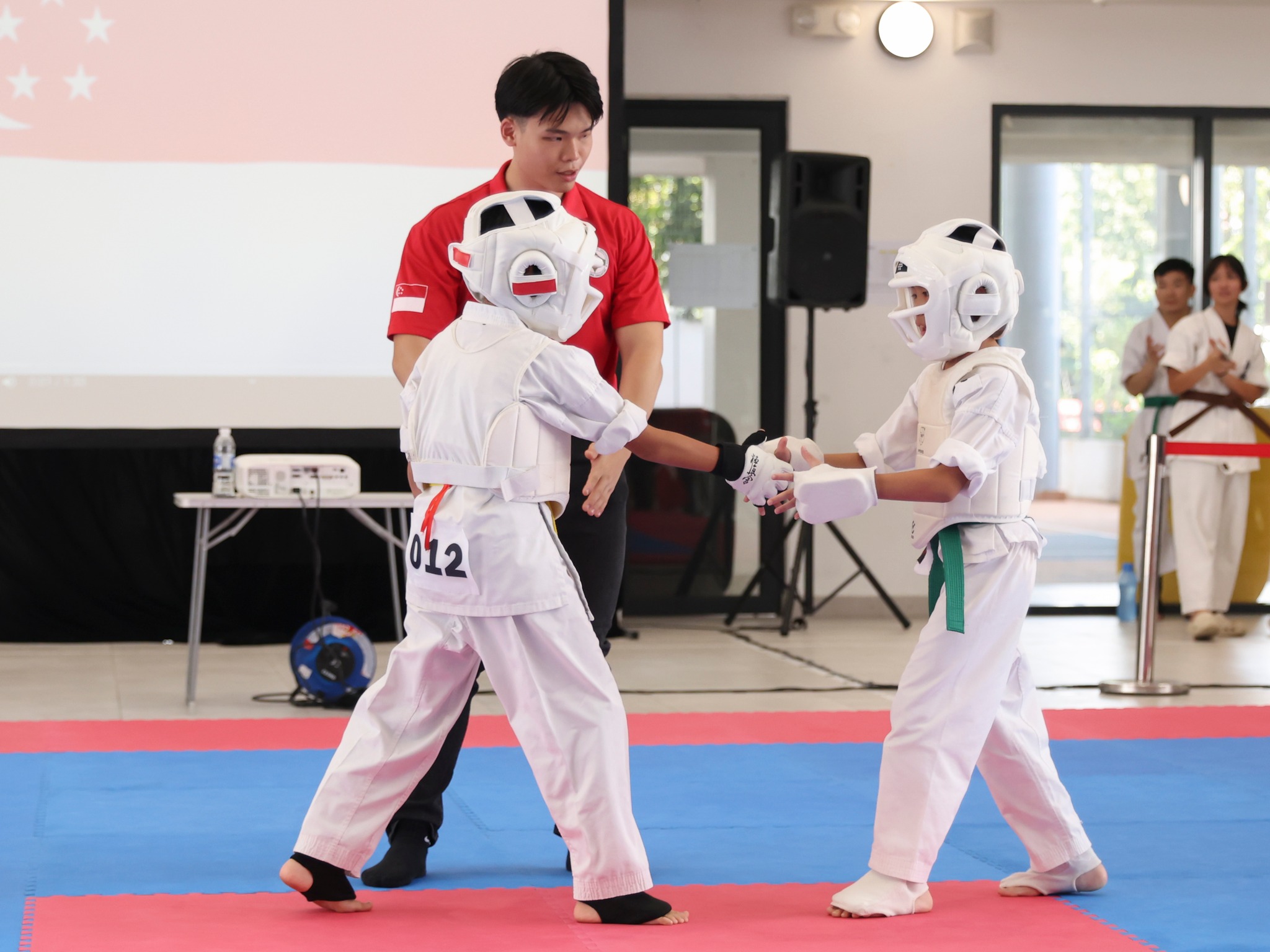
Self Humility
Karate emphasizes the values of respect and humility.
- 01
Respect for Others
In karate, respect for others, including your instructors, training partners, and opponents, is emphasized. This respect helps cultivate humility by acknowledging the skills and abilities of others and recognizing that everyone has something to learn.
- 02
Learning from Others
In karate training, there is always something new to learn from instructors and training partners. Recognizing that others have knowledge and skills to offer requires humility and an openness to learn and grow from them.
Overall, karate can help cultivate self-humility by emphasizing respect for others, acknowledging mistakes, learning from others and emphasizing personal growth.
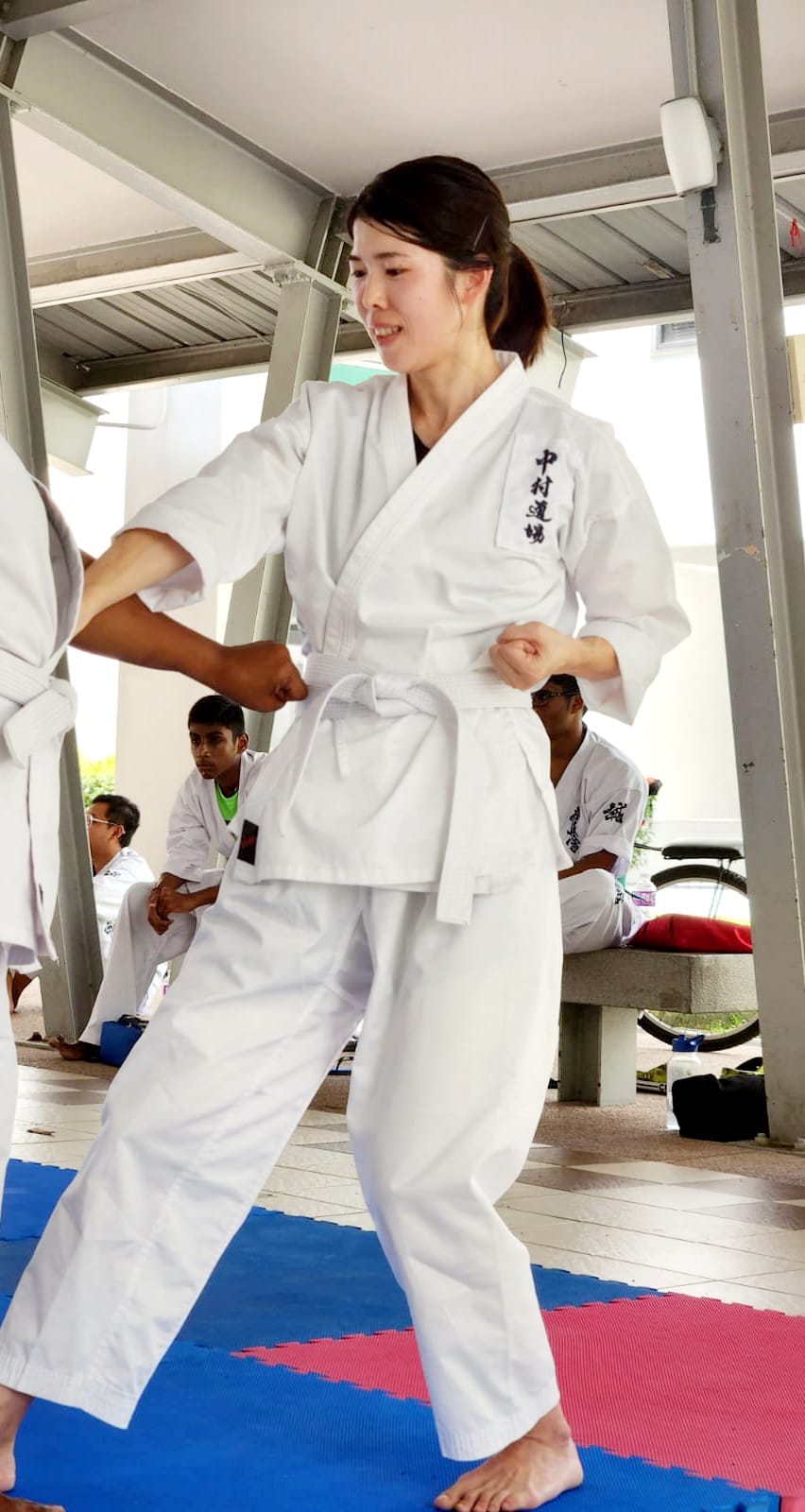
Self Defence
Practical skill, sharpened reflexes, and the awareness to keep yourself and others safe.
- 01
Techniques
Karate training involves learning a variety of techniques for striking, blocking, and evading attacks. These techniques can be effective for defending oneself in a variety of situations.
- 02
Sparring
Sparring is a common aspect of karate training, which can help improve timing, reflexes, and decision-making skills in self-defense situations.
- 03
Mental Preparedness
Karate training also emphasizes mental preparedness and awareness, which can be valuable in self-defence situations. By developing a heightened sense of awareness and mental focus, individuals can be better prepared to defend themselves.
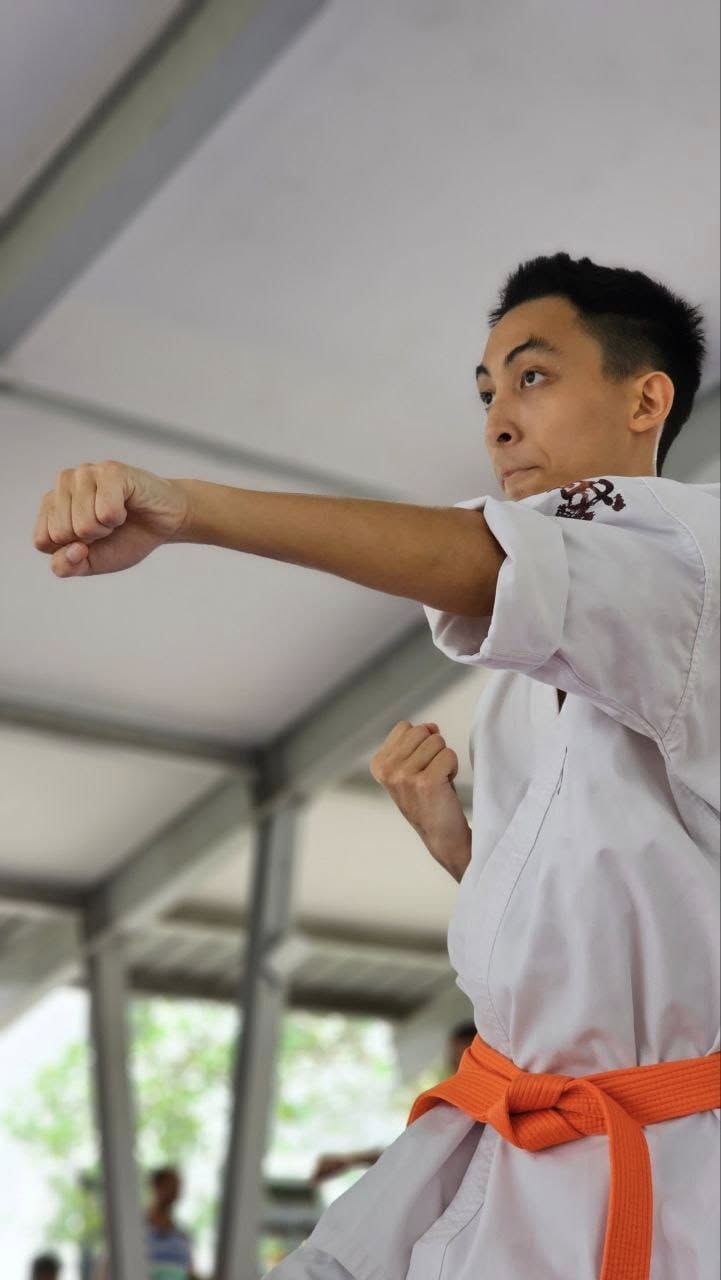
Self Confidence
Karate can help cultivate self-confidence in several ways.
- 01
Mastery of Techniques
Karate training involves learning a variety of techniques and movements, which can be challenging to master. As you improve your skills and proficiency in these techniques, you gain a sense of accomplishment and confidence in your abilities.
- 02
Overcoming Challenges
Karate training can be physically and mentally demanding, and as you push yourself to overcome challenges and obstacles, you develop a sense of resilience and self-confidence.
- 03
Positive Feedback
In karate training, instructors provide feedback on your performance and progress, which can be affirming and help to build self-confidence.
- 04
Physical Fitness
Karate training can improve your physical fitness, strength, and agility. As you become more physically fit and capable, you may feel more confident in your body and abilities.
Passion. Patience. Perseverance.
The dojo is where these empowerments are forged, one repetition, one bow, one breath at a time.